FREE SHIPPING OVER $50


The Historical Use of Crystals and Minerals Across Civilizations

Crystals and minerals have been used by human civilizations for thousands of years. From healing and spiritual protection to ritualistic and decorative purposes, these stones have played an important role across cultures. Their influence can be seen in personal adornment, traditional medicine, religious ceremonies, and even national symbolism.
Table of Contents
Crystals in the Neolithic Age
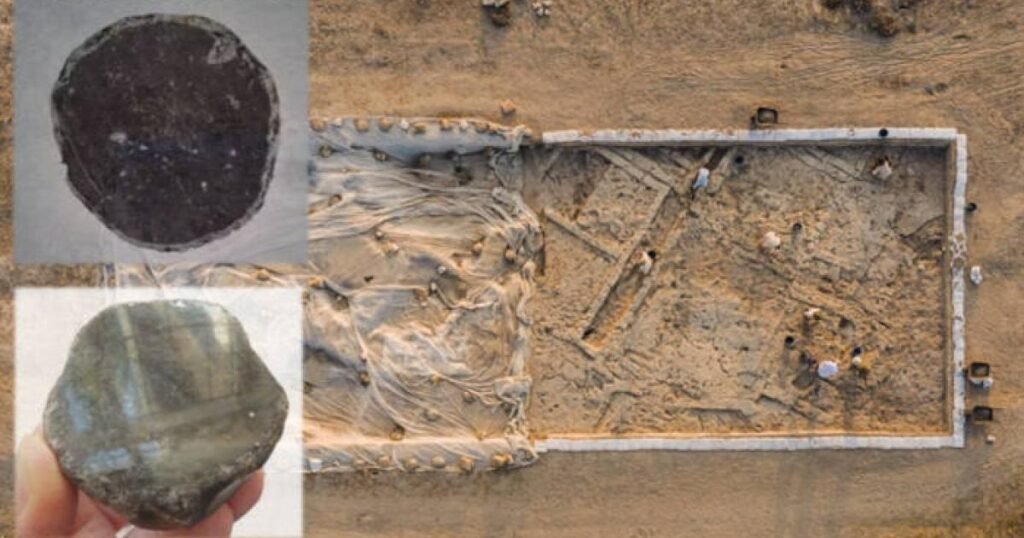
Archaeological discoveries from the Neolithic period include polished crystal objects such as crystal mirrors found in burial sites. These mirrors were believed to predict the future.
Crystals were regarded as sacred gifts from Mother Earth, often used by shamans, priests, and tribal leaders to harness spiritual or magical power.
The Legendary Civilization of Atlantis
The earliest references to Atlantis come from Plato’s writings, describing a highly advanced island civilization that was destroyed by a great flood.
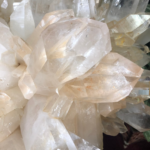
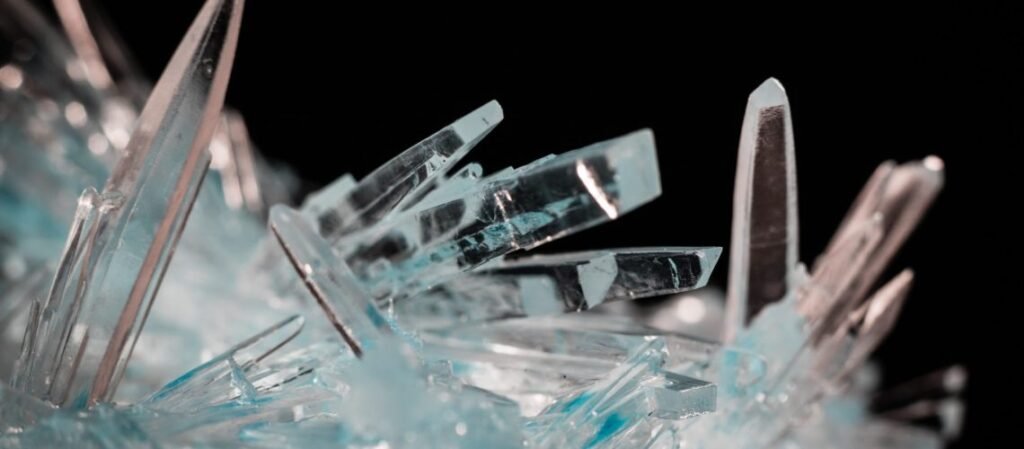
Legends tell that Atlanteans used crystals as the core technology for generating and transmitting energy, forming an entire “crystal circuit city.” A giant hexagonal crystal column served as the main energy conductor.
Modern science supports the plausibility of this myth: quartz crystals exhibit strong piezoelectric properties, capable of converting mechanical pressure into electrical charge.
Atlantean lore also describes the use of crystals in medicine—placing stones under special light sources to create healing frequencies, even using early forms of crystal lasers for medical treatment.
Jade and Crystal Traditions in Ancient China
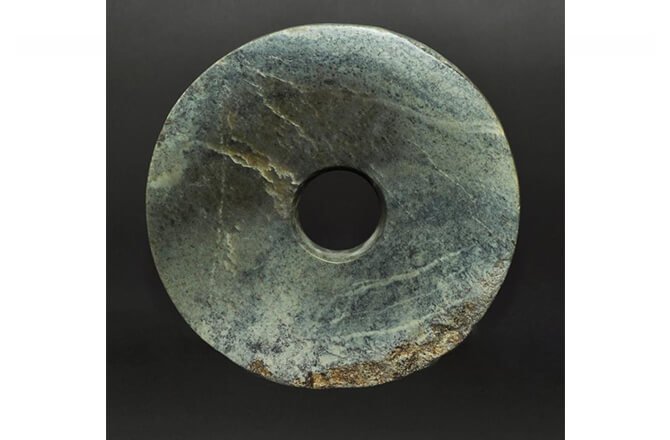
China’s jade culture dates back more than 7,000 years to the Hemudu civilization, where jade was carved into ornaments symbolizing status and identity.
By the Shang dynasty, jade craftsmanship flourished, and jade became a diplomatic and ritual asset of immense value.
The discovery and use of Hetian jade during the Shang period marked a turning point. It became a symbol of national foundation, moral virtue, and imperial authority, reflecting the spiritual essence of Chinese culture.
Gemstones in Ancient Egypt and Babylon
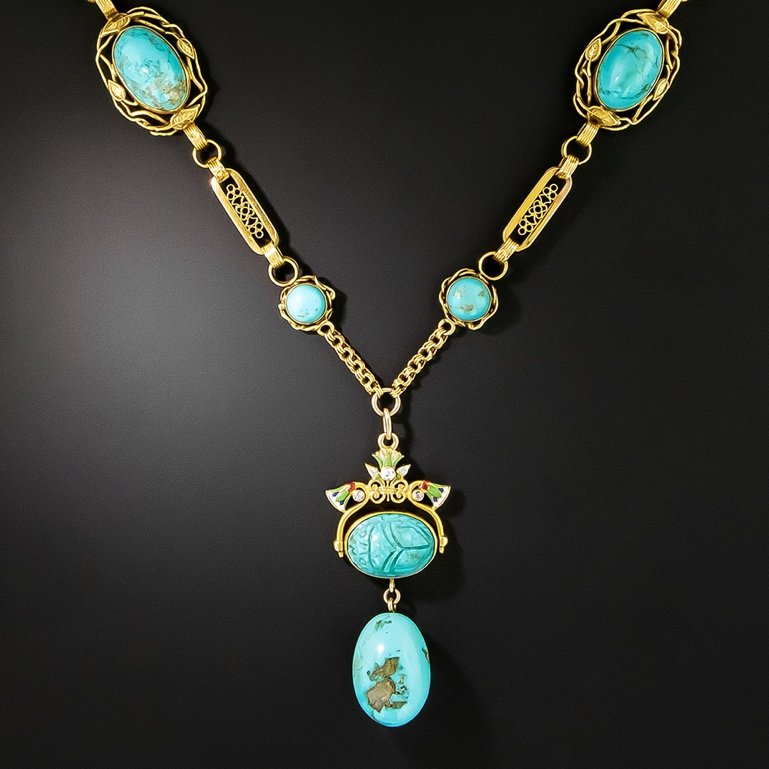
Middle Eastern civilizations believed that gemstones contained divine and mysterious powers. Certain stones were reserved only for royalty or priests.
In Babylon, gemstones were used as sacred symbols—for example, emeralds were placed in the eyes of goddesses to represent divinity and healing intelligence. Priests wore turquoise to connect with the divine and ward off evil.
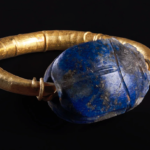
In Egypt, gemstones were tied to the body for healing. Lapis lazuli was used for prophecy and ground into powder for royal cosmetics, symbolizing wisdom and noble lineage.
Gemstones frequently accompanied the dead, serving as protective amulets in the afterlife.
Crystals in Greek and Roman Medicine and Rituals

In ancient Greece and Rome, crystals were deeply integrated into religion, medicine, and astrology.
Greeks believed that one’s birthstone strengthened physical energy. Healers selected mineral types and colors based on the patient’s astrological profile, similar to traditional Chinese medicine.
Minerals were used in many ways: worn as amulets, ground into powders, or even consumed.
In Rome, every deity had its own sacred stones. Soldiers wore carnelian or garnet into battle for courage and protection.
The Indian Mineral-Healing Tradition

India, a mineral-rich region with an ancient spiritual heritage, has cultivated crystal healing practices for millennia.
Rubies—symbolizing mature life force—were especially revered and believed to grant courage, spiritual blessing, and prosperity.
Traditional Indian natural medicine uses stones soaked in herbal oils or ground into powders for therapeutic application.
Indian astrology also features gemstone prescriptions based on birth charts, a practice still widely used in birth rituals and coming-of-age ceremonies.
Crystal Use in the Indigenous Cultures of the Americas
Native American cultures, despite geographic diversity, share many similarities in their spiritual use of crystals.
The Maya and North American elders used large crystals for divination, interpreting visions to guide tribal decisions.
In South America, the Inca and Maya crafted obsidian knives embedded in gold or turquoise handles for sacred ceremonies, believed to bring harmony and ensure safe passage for offerings.
Shamans used crystals in healing rituals, placing stones on the body and combining them with herbal smoke to extract negative energies. This tradition continues today, inspiring modern practices such as hot stone massage.
Some tribes selected “symbol stones” for newborns, while others chose “power stones” before hunts or battles to enhance strength and courage.
Crystals and Sacred Symbolism in the Old Testament

The Bible’s Old Testament links gemstones to spiritual authority and tribal identity. In Exodus 28, God instructs Moses to create the High Priest’s breastplate—a square adorned with twelve precious stones arranged in four rows.
These stones symbolized divine authority, justice, and the unity of the twelve tribes. Although historical names vary, traditional interpretations include stones such as ruby, topaz, emerald, sapphire, jasper, and amethyst.
The High Priest’s breastplate remains one of the most iconic examples of gemstones used as sacred symbols in Western religious tradition.
Final Remarks
Across continents and throughout history, crystals and minerals have served as tools of healing, symbols of power, conduits of spiritual energy, and expressions of cultural identity.
Despite differences in geography and belief systems, many civilizations independently recognized the significance of these stones, showing a universal human desire to connect with the natural world.
Today, the fascination with crystals continues—blending ancient wisdom with modern interpretations. Whether used for personal well-being, spiritual practice, or cultural appreciation, crystals remain powerful reminders of humanity’s long-standing relationship with the Earth.